Key instructions to preserve
SCENE: Subject rendered as the cover of a fictional Wired magazine issue — the tech and culture magazine that uses the cover as visual provocation.
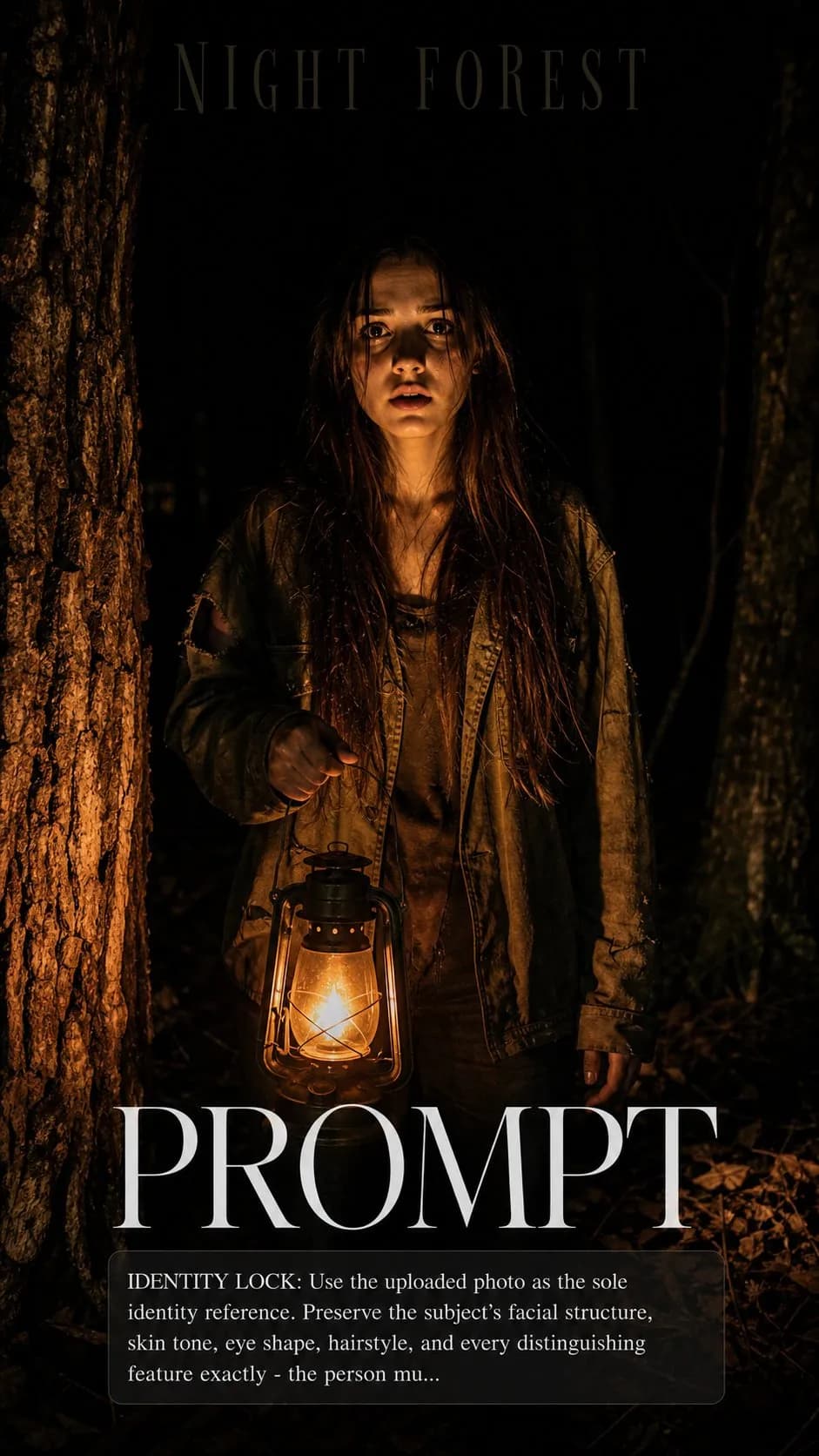
IDENTITY LOCK: Use the uploaded photo as the sole identity reference. Preserve the subject's facial structure, skin tone, eye shape, hairstyle, and every distinguishing feature exactly — the person must remain instantly recognizable. SCENE: Subject rendered as the cover of a fictional Wired magazine issue — the tech and culture magazine that uses the cover as visual provocation. The image concept: the subject looking directly at the camera with a subtle half-smile, surrounded by a composed digital environment — floating code fragments, abstract data visualizations, or geometric light lattices that exist in the space around them, clearly digital but rendered with photographic physical presence. PHYSICS & CRAFT: The digital elements around the subject must emit their own light — they are light sources that interact with the subject's face. Code fragments floating at face level cast a subtle cyan-blue fill onto nearby skin. Light lattice elements behind the subject create a rim effect. The interaction between digital light sources and real skin must be physically computed — not a composite of two separate worlds. TECHNICAL EXECUTION: 50mm f/2.8, subject sharply focused, floating digital elements slightly defocused to vary depth. Clean futuristic color grade — the Wired visual language: cyan, white, dark backgrounds, skin warmth preserved. Wired masthead in bold condensed type. Cover lines reference a fictional tech breakthrough. HARD CONSTRAINTS: The digital elements should feel restrained and elegant — not overwhelming. They exist in the space around the subject, not through them. Do not make the subject look robotic or inhuman. The half-smile indicates confidence, not arrogance. Keep the background dark to let the light elements function properly.

0 people have copied this prompt
Wired Tech Visionary Cover is a poster prompt for GPT Image 2, composed for a 3:4 image. SCENE: Subject rendered as the cover of a fictional Wired magazine issue — the tech and culture magazine that uses the cover as visual provocation.
SCENE: Subject rendered as the cover of a fictional Wired magazine issue — the tech and culture magazine that uses the cover as visual provocation.
Keep the prompt structure, then replace the main subject, action, or environment in "SCENE: Subject rendered as the cover of a fictional Wired magazine issue — the tech and culture magazine that uses the cover as visual provocation.".
Adjust one visual signal at a time, such as "50mm", "f/2.8", "wired magazine cover prompt", "tech visionary portrait ai", so you can identify which instruction changes the result.
Use the portrait frame for editorial-style compositions with enough surrounding context to establish the scene.
Use one clear reference image and retain the identity-lock instructions when changing clothing, lighting, background, or camera direction.
Use direct natural-language edits after the first generation. State what must remain unchanged before describing the single element you want to revise.
Judge the result by hierarchy: the main subject must read first, supporting graphics second, and any text area must remain uncluttered.
Three simple steps to generate your AI image.
Click the "Copy Full Prompt" button above to copy the entire prompt text to your clipboard instantly.
Open your preferred image generator and paste the prompt into the text input. You're ready to create.
Hit generate and watch the magic happen. Tweak the prompt parameters to make it your own.